As cities expand to accommodate increasing populations, the loss of highly-productive peri-urban agricultural land is occurring at increasing rates, with farming land being replaced by low-density residential lots.
More than 50% of these vegetable-growing enterprises are in the proposed south-west and north-west growth centres that are areas earmarked for release for housing development.
Sydney metropolitan plans that were released in the 2000s planned for around 40% of Sydney’s peri-urban agricultural lands to be converted to residential sub-divisions – almost half of all land that was used to produce vegetables is now planned for housing (or has already been built over) (Sobels, 2012). This change to the way that land is used in peri-urban areas is a cause for concern as it increases the price of land, reducing farmers’ ability to pay rising costs or expand their land holdings in order to increase profits (Gill et al. 2010). These peri-urban areas are also pressured with land-use conflicts.
The Sydney basin currently has about 1,052 vegetable farms, including greenhouse farms and hydroponics (Malcolm and Fahd, 2009). The majority of these are small lots, with an average size of 1.9 hectares. More than 50% of these vegetable-growing enterprises are in the proposed Southern and North West Growth Centres – areas that are earmarked for release for housing development.
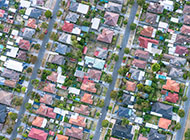 Australia is one of the most urbanised nations in the world, with almost 90% of our population now residing in cities and major towns. This trend is continuing, with the populations of our major cities expected to continue to grow over the coming century.
Sydney’s population of 4.2 million is expected to grow by 1.6 million people in the 20 years to 2035 (A Plan for Growing Sydney). Most of this growth – 900,000 of it – is expected to occur in Western Sydney.
Sydney Basin, being geographically constrained by ocean to the east, mountains to the west and national parks to the north and south, has consistently sprawled into peri-urban agricultural areas between the western edge of the city and the mountains. This pattern is planned to continue into the future, with the current peri-urban regions planned as the focus-areas for Sydney’s growth to 2051.